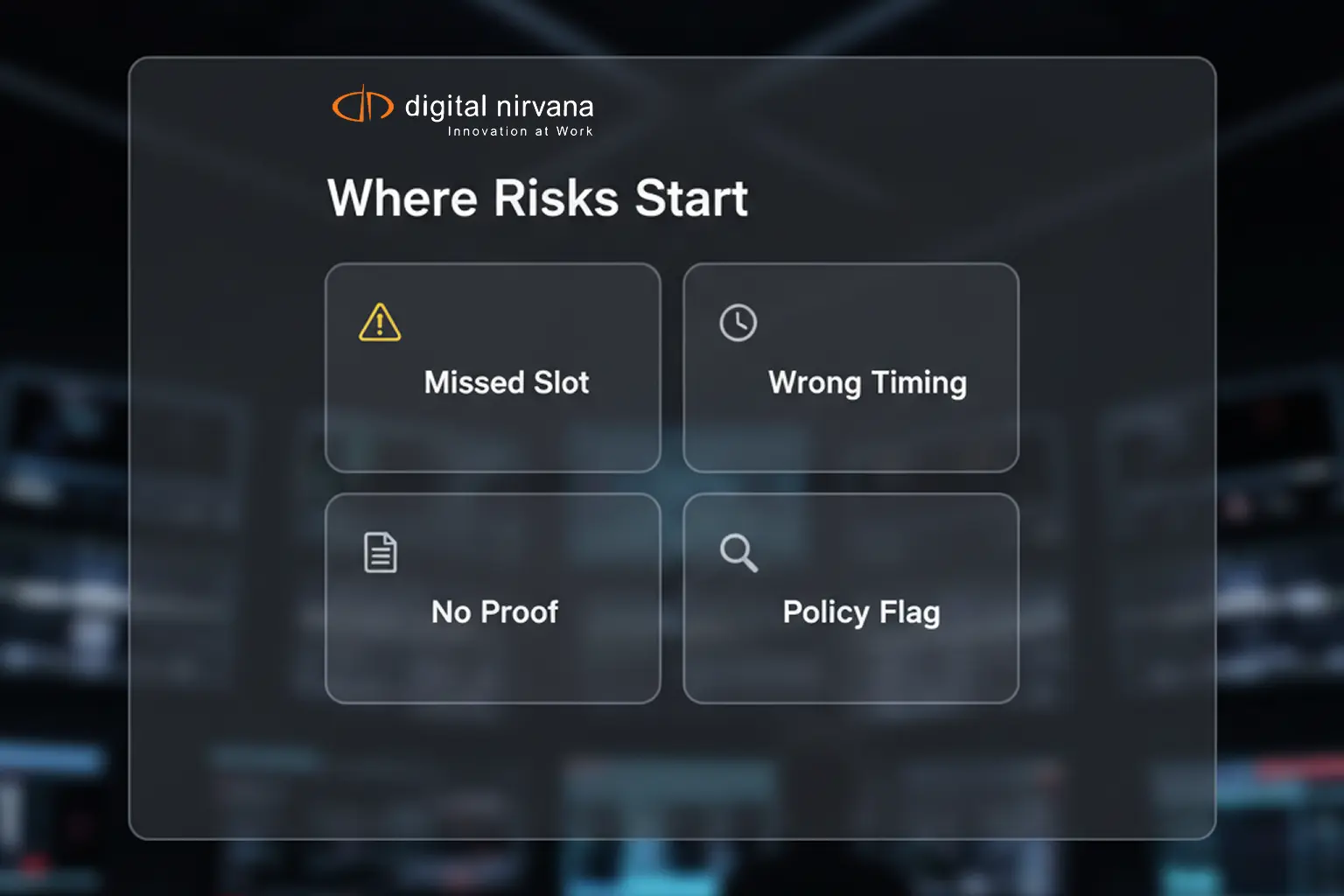
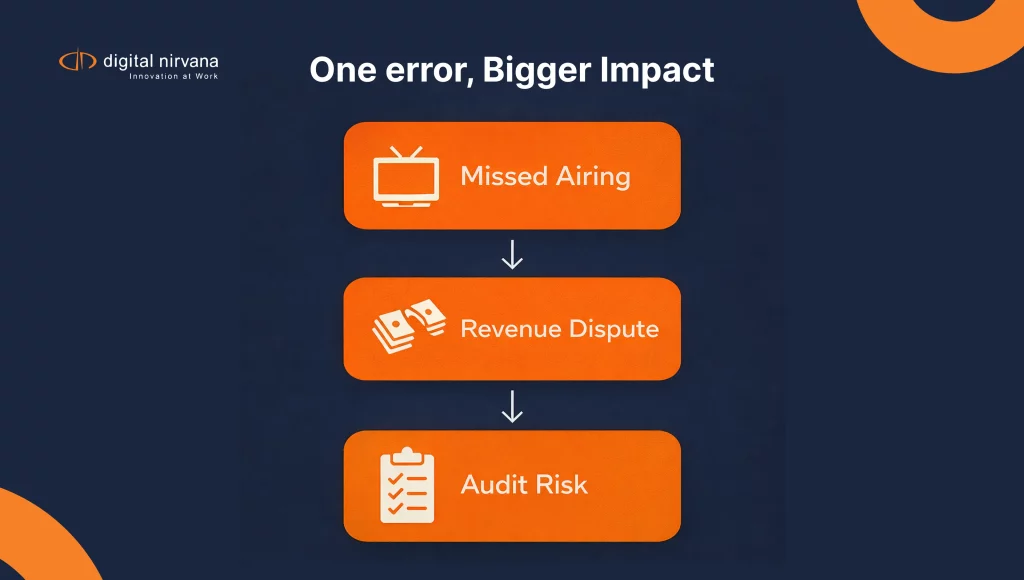
A single missed ad, a misplaced time slot, or an unverified broadcast can quietly lead to an expensive compliance issue. In today’s high-stakes media world, broadcasters are under constant pressure to prove that every advertisement aired exactly as scheduled.
This challenge is increasing rapidly. Videos account for over 80% of global internet traffic, while broadcasters manage thousands of ad placements daily across multiple channels. Even a small error can lead to a significant loss of revenue. Studies show that ad verification inconsistencies can affect up to 5-10% of campaign delivery, which affects the advertiser’s trust and ROI.
At the same time, regulatory bodies are tightening guidelines, advertisers are demanding transparency, and audiences expect accountability. Traditional compliance methods simply cannot keep up.
This is where real-time ad compliance steps in, transforming how broadcasters monitor, verify, and audit their advertising workflows. Platforms, including Digital Nirvana’s MonitorIQ, are a step ahead by incorporating intelligent media indexing and automated compliance monitoring, enabling outstanding viewer experience management and anticipatory alarms for visual impairments that affect service quality. Get seamless content and engage the audience with MonitorIQ.
What Is Real-Time Ad Compliance?
Textual errors, including grammatical issues and dynamic keyword insertion violations, can delay the campaign launch. Real-time ad compliance helps streamline review procedures by providing automated and real-time feedback.
To be more specific, it is the automated, continuous process of verifying that advertisements adhere to legal regulations, industry standards, and platform-specific policies that are created, updated, or served. Rather than traditional manual reviews, real-time ad compliance uses AI and machine learning to scan for violations before launching and during active campaign monitoring.
Why Ad Compliance Monitoring Is Necessary?
Ad compliance monitoring is vital in today’s media landscape, as the speed, volume, and complexity of digital advertising have outpaced manual review and pose significant risks to brand safety, legal liability, and monetary loss. The importance is as follows:
- Higher Regulatory Pressure
Regulatory bodies such as the Federal Trade Commission and the Advertising Standards Council of India enforce strict rules on ad timing, placement, and content. Non-compliance with this regulation results in penalties, legal action, or reputational damage.
- Increased Advertiser Expectations
Advertisers expect perfect delivery and verified evidence that their campaigns were aired as planned. Any inconsistency or discrepancy, such as incorrect timing or missed slots, will result in disputes and a breach of trust.
- Revenue Protection
Missed or incorrectly aired ads result in refunds or lost revenue opportunities. Constant monitoring helps protect advertising income.
- Operational Efficiency
Humanized compliance workflows need significant time and resources. Automated monitoring decreases effort, enhances accuracy, and streamlines operations.
Challenges In Traditional Ad Compliance
Traditional ad compliance workflows are often hampered by manual, delayed, and disconnected procedures that struggle to keep pace with modern, first-paced marketing demand.
The major challenges include:
- High Chance of Human Error
Human compliance reviews entail risks of errors, such as missing vital regulatory changes or failing to update legal disclaimers. Without standardized, automated checks, reviewers may inconsistently apply guidelines, leading to fragmented brand standards.
- Delayed Launch
Traditional, manual approval workflows often involve extensive email exchanges, which can create bottlenecks. Inefficient procedures can slow the campaign launch and make it difficult to capitalize on time market opportunities.
- Higher Operational Cost
Managing compliance for multi-channel and multi-regional campaigns is a “logistical nightmare”. With the expansion of marketing efforts, manual processes require more human capital and time, making them resource-intensive. Human compliance can consume over 30% of the marketing budget due to higher labor costs.
- Complex Regulations
Following regulatory changes can be difficult if you rely on manual monitoring. In highly regulated industries, such as finance and healthcare, these gaps result in significant financial penalties, legal risks, and reputational damage.
- Lack of Alignment
Compliance is often considered a hindrance to creativity. Inferior communication often leads legal teams to reject creative work due to delays, which in turn frustrates, lowers morale, and necessitates rework.
How Real-Time Ad Compliance Works?
Real-time ad compliance works by continuously monitoring live broadcasts and digital streams, automatically detecting ads, and analyzing their audio, video, and text using AI technologies such as speech-to-text and OCR. The system then checks this data against regulatory and brand guidelines to instantly identify any violations, sending alerts and maintaining records for audit and reporting, ensuring ads meet compliance requirements as they are aired rather than after the fact.
- Instant Scanning
When a creative ad is uploaded, the AI-driven tools track audio and video signals and analyze text, images, and destination URLs for violations of publisher guidelines or ad policies.
- AI-driven Feedback
Various systems offer immediate, actionable feedback that highlights specific issues, such as Dynamic Keyword Insertion errors or prohibited content, enabling instant fixes.
- Dynamic Regulatory Updates
Several automated platforms, such as Bannerflow, update innovative content, including legal disclaimers, in real-time across multiple markets to comply with alternative regulations.
- Integration with Real-Time Bidding
Within the RTB process, the ad must be documented as compliant before the demand-side platform submits the bid, ensuring only compliant ads participate in the auction.
- Brand Safety
The automated ad-detection tools track audio and video signals to ensure compliance with safety standards and regulations in real time.
Features Of Real-Time Ad Compliance Systems
Real-time ad compliance systems use AI to scan and analyze creative ads, including images, videos, and text. The key features include:
- Real-time textual violation detection
It detects grammar issues and dynamic keyword insertion violations in the headline and description after the content is uploaded.
- Fixing Violations with AI assistance
The green fix with the AI activates to give the primary reason of rejection, multiple reasons for breakdowns, and guidance for corrections. It also supports grammatical issues and violations of DKI.
- Perfect rejection communication
You will still receive email notifications about quick awareness and next steps after changes to the campaign status. Also, solutions such as MonitorIQ offer continuous signal monitoring and alert-based compliance tracking.
Applications Across Broadcast And Media
The cases for broadcast and media workflows are rapidly changing, driven by cloud adoption, AI integration, and the need for multi-platform distribution. The key cases include-
- AI-powered content creation
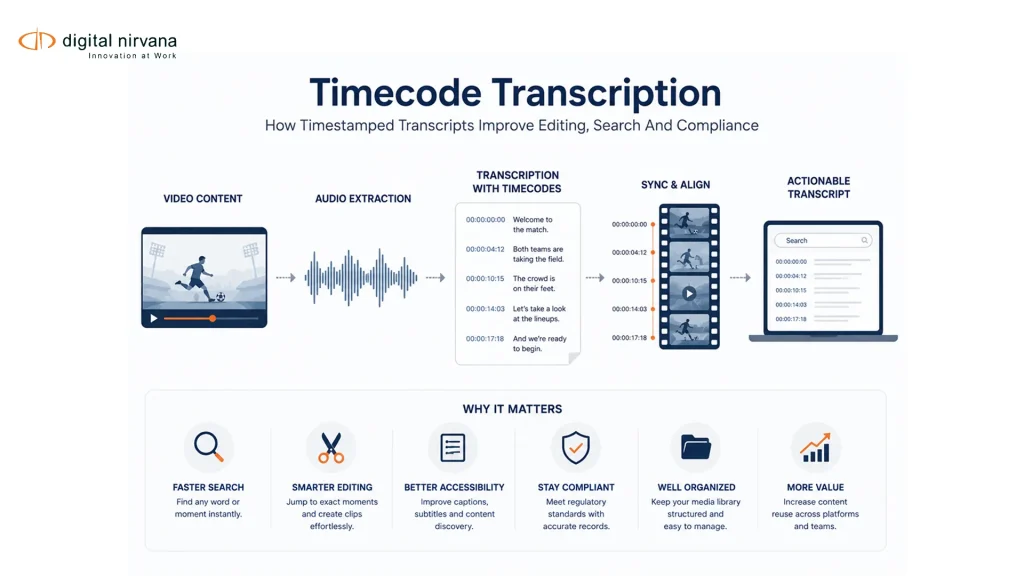
AI is used for real-time video clipping, automated transcription for closed captioning, and speech-to-text aid in indexing and decision-making. It also enables the generation of auto-generated sports highlights and social media clips.
- Metadata enrichment
AI enables automated scene labeling, object detection, media enrichment, and facial recognition, enhancing content discoverability and enabling monetization of archived content.
- Live sports and remote production
Cloud-based workflows enable teams to develop events remotely, reducing the need for on-site personnel and infrastructure. This allows scaling production from one event to multiple events.
- Real-time compliance
AI-driven tools track live feeds to assess content quality, regulatory compliance, and the accuracy of ad break insertion.
Benefits Of Real-Time Ad Compliance
The key benefits of implementing real-time ad compliance are as follows:
- Minimised Rejections
Anticipatory error detection ensures ads appear faster and reduces rejections.
- Enhanced Efficiency
Real-time corrections minimize the need for humanized revisions, saving time and resources.
- Quick Approvals
Real-time feedback speeds up the review process, allowing advertisers to launch campaigns without delay.
By leveraging real-time ad compliance, advertisers benefit from streamlined compliance, lower rejection rates, rapid campaign launches, and a constant real-time monitoring system, which helps protect advertising income.
Choosing The Right Ad Compliance Monitoring Solution
Selecting the appropriate ad compliance monitoring solution requires matching the specialized scanning capabilities of a platform with the particular regulatory environment and marketing channels. The core evaluation criteria include-
- Multiple-channel coverage
The solution should provide continuous tracking across all active channels, web pages, social media, marketing docs, calls, and emails.
- Finding unknown mentions
Various advanced tools use patent discovery tools to reveal obscure brand names across the web that may pose compliance issues and prevent deceptive ads from harming your reputation.
- Real-time ad scanning
Look for the typical “jewel in the crown” which uses AI to analyze digital artwork and copy from false claims, missing disclaimers, and brand-integrity issues such as inappropriate logos or voice tones.
Role Of MonitorIQ And Media Indexing In Compliance
Solutions like Digital Nirvana’s MonitorIQ combine media indexing with compliance workflows to develop a centralized data intelligence solution for tracking, verification, and reporting. This not only enhances accuracy but also improves discoverability across the entire content lifecycle. Digital Nirvana supports compliance in the following ways:
- Fulfill scalable broadcast standards, enterprise-grade precision, and real-time dashboards in the existing media infrastructure.
- You will get real-time broadcast monitoring and compliance tracking across channels.
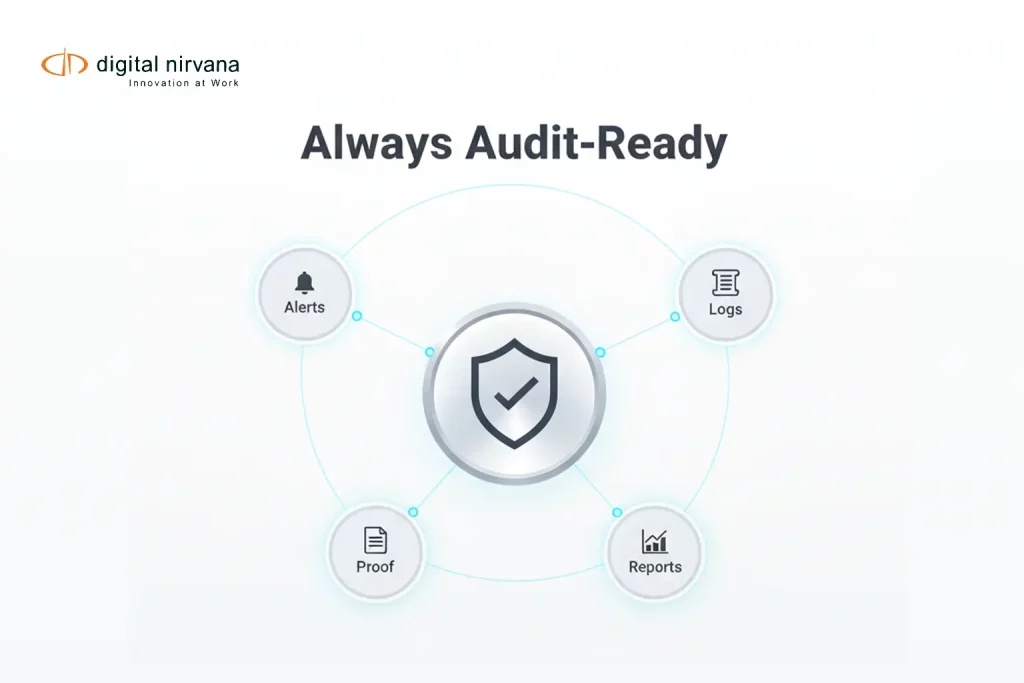
- It enables the capturing and storing of broadcast logs for regulatory and audit purposes.
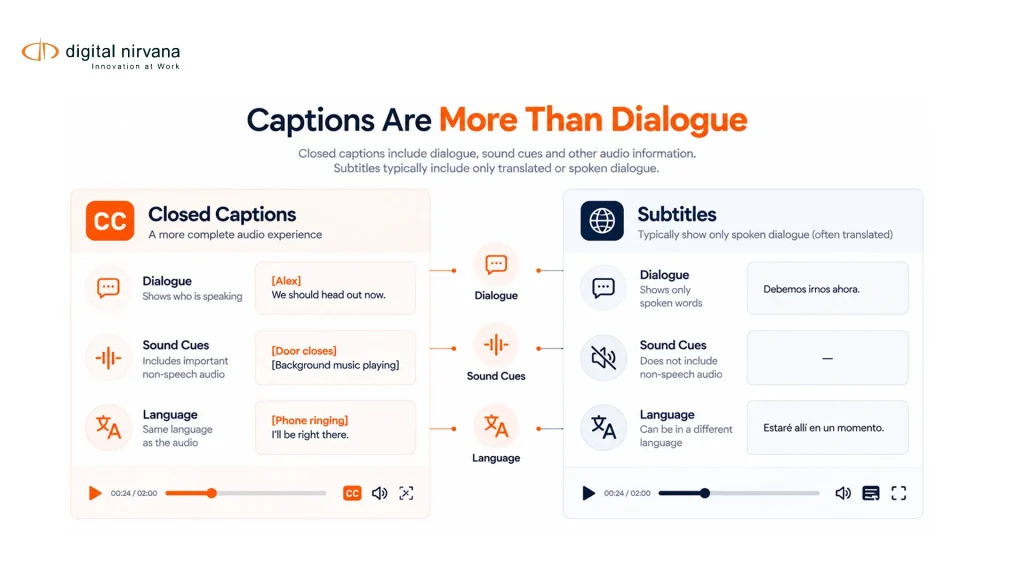
- It ensures accessibility compliance with perfect headings and subtitles.
MonitorIQ plays an important role in enabling compliance monitoring. By tagging and indexing media content with comprehensive monitoring, an individual can boost sales and guarantee ad performance with the self-service tool. This will check ads, verify performance evidence, and reconcile traffic logs with the recordings.
FAQs
Real-time ad compliance is the process of monitoring and verifying advertisements as they are broadcast, ensuring they meet all regulatory and contractual requirements.
It ensures that all ads are aired correctly, preventing revenue loss from missed or incorrectly placed ads.
Audit trails provide a detailed record of ad broadcasts, which is essential for regulatory compliance and dispute resolution.
Yes, modern solutions support linear TV, OTT, and digital platforms, enabling unified monitoring.
Conclusion
Real-time ad compliance is not an option for broadcasters operating in a competitive, regulated media environment. It ensures validity, transparency, and accountability across advertising workflows while minimizing risks and enhancing efficiency.
By using advanced compliance recommendations from Digital Nirvana, organizations can continue monitoring, ensure regulatory compliance, and gain actionable insights to support smarter decisions. Investing in real-time compliance not only meets standards but also positions you to become competitive and future-ready.
Key Takeaways
- Real-time ad compliance allows on-time tracking and verification of ads across channels. This ensures problems are detected immediately without wasting time.
- Automated alerts help teams to discover and resolve conflicts before escalation. This approach reduces penalties and helps the organization run smoothly.
- Audit trails ensure compliance with regulatory requirements. It makes sure broadcasters are always ready for regulatory audits and reviews.
- Metadata-driven indexing enhances content searchability and tracking. It enables teams to locate, verify, and analyze particular ad segments.
- Integrated solutions like MonitorIQ enable end-to-end compliance workflows and unify monitoring, reporting, and verification into an efficient system.