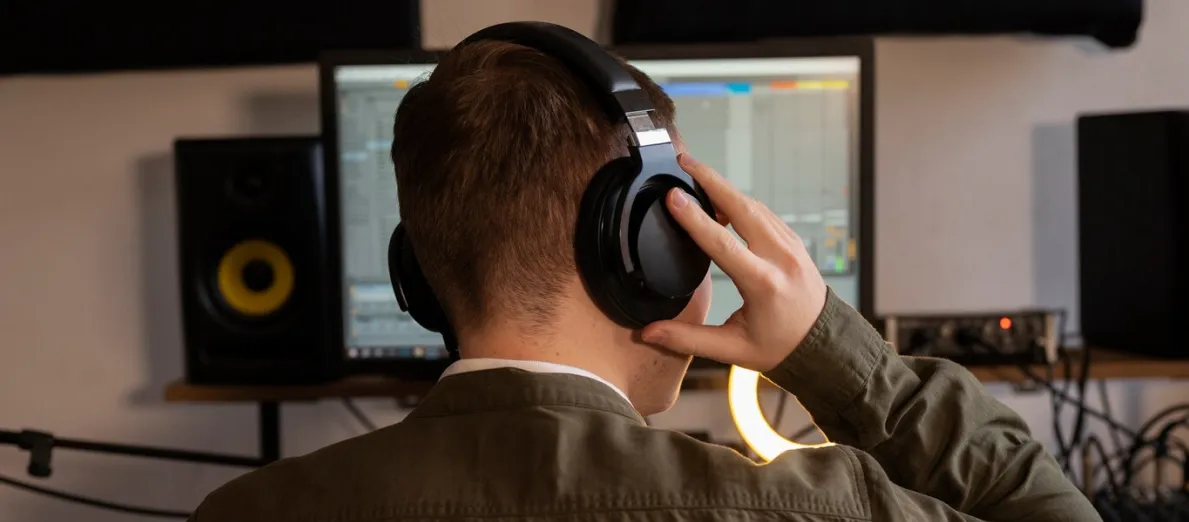
A broadcast audio engineer at a major network spent her days in reactive mode: a viewer complained about an ad being too loud, she investigated. A host’s microphone had feedback, she pulled logs. A segment had clipped audio, she reviewed recordings to find when it happened.
She was solving problems after the fact. Always behind.
Then her station implemented comprehensive audio content monitoring. Every audio feed coming to broadcast was continuously measured for loudness, peaks, distortion, clipping, and dropout. Anomalies were flagged in real-time, before broadcast or within seconds of occurrence.
Suddenly, she wasn’t investigating problems. She was preventing them.
An ad started clipping? Alert triggered, she backed down the level, no viewer ever noticed. A host’s mic started feeding back? Caught immediately, isolated before broadcast. A segment had unexpected silence? Detected, human-verified, resolved in minutes instead of weeks.
The engineer realized: the difference between reactive firefighting and proactive mastery isn’t talent. It’s information. With real-time monitoring data, she could see problems coming and intercept them before broadcast.
That changed everything about how she did her job.
What Audio Monitoring Actually Means (Beyond Just “Volume”)
Most people think audio monitoring is just loudness. It’s not.
Professional audio content monitoring measures multiple parameters simultaneously:
Loudness: LUFS value (perceived loudness). Is the content meeting broadcast standard (-23 LUFS)? Is it drifting louder or quieter?
Peak Levels: Maximum instantaneous level. Is content clipping (exceeding -2 dB max)? Is it distorting?
Dynamic Range: Difference between quietest and loudest parts. Is the dynamic range compressed too much (no dynamic life)? Is it too wide (inconsistent listening experience)?
Distortion: Is there audible distortion in the signal? Clipping, compression artifacts, codec artifacts?
Dropout/Missing Audio: Are there unexpected silences? Audio dropouts? Complete feed loss?
Frequency Response: Is the audio balanced across frequencies? Too much bass? No treble? Frequency response anomalies?
Surround Monitoring (If Applicable): For surround sound broadcasts, are all channels present and balanced?
Professional audio monitoring measures all of these simultaneously. Not just loudness. Not just peaks. All of it.
Real Broadcast Case Study: Transforming Audio Quality
The Setup: A television station with 12+ broadcast hours daily. Multiple content sources (studio, field, external vendors, live feeds). Previous audio QC: manual spot-checks, post-broadcast review.
Before Comprehensive Audio Monitoring (2025):
- Audio quality issues per week: 15-20
- Time to detect issues: 24-72 hours (after broadcast)
- Time to resolve issues: 1-2 weeks
- Viewer complaints about audio: 12-15 per month
- Corrective actions: Mostly post-broadcast
- Audio engineering staff time: 80+ hours/week on QC
- Audio consistency score: 82%
After Implementing Comprehensive Monitoring (2026):
- Audio quality issues per week: 1-2 (prevented most)
- Time to detect issues: Real-time (seconds)
- Time to resolve issues: <5 minutes (pre-broadcast correction)
- Viewer complaints about audio: <1 per month (95% reduction)
- Corrective actions: Pre-broadcast prevention
- Audio engineering staff time: 25 hours/week (70% reduction)
- Audio consistency score: 97%
The Impact:
- Viewer satisfaction: Dramatically improved
- Operational efficiency: 70% less firefighting
- Broadcast reliability: Near-perfect audio delivery
- Staff morale: Engineers solving problems, not dealing with complaints
What To Monitor (Essential Audio Metrics)
Professional broadcasters monitor these essential metrics:
Critical Metrics:
- Loudness (LUFS): Primary metric. Target: -23 LUFS. Range: -23 ± 1 LUFS.
- Peak Levels: Maximum allowed: -2 dB. Anything higher = clipping.
- Dropout Detection: Any unexpected silence? Immediate alert.
Quality Metrics: 4. True Peak (ITU): More accurate peak measurement than simple peak. Catches inter-sample peaks. 5. Dynamic Range: Compression quality check. Too compressed = no dynamics. Too wide = inconsistent. 6. Distortion Level: Any audible distortion? THD (Total Harmonic Distortion) measurement.
Continuity Metrics: 7. Audio Presence: Is audio signal present? Any dropouts or gaps? 8. Frequency Response: Is audio balanced across spectrum? EQ anomalies detected. 9. Channel Balance: (For surround) Are all channels present and balanced?
Behavioral Metrics: 10. Pattern Analysis: Does this source consistently need correction? Learning which content types need attention.
Comprehensive monitoring tracks all of these. Not just one or two. All of them.
The Expertise Curve (From Reactive To Proactive)
Most broadcast audio operations have an expertise curve:
Level 1 – Reactive (Problem Detection): Engineers only know about audio problems when viewers complain or content sounds obviously wrong. Issues discovered post-broadcast.
Level 2 – Responsive (Manual Monitoring): Engineers do manual spot-checks, review recordings, catch some issues before broadcast. But coverage is limited (can’t check everything).
Level 3 – Proactive (Automated Monitoring): Automated systems continuously monitor all feeds. Engineers respond to alerts pre-broadcast. Most issues prevented before reaching viewers.
Level 4 – Predictive (Pattern Learning): System learns which sources consistently need correction. Predicts likely problems (this vendor always masters too loud). Proactively adjusts before content reaches air.
Moving from Level 1 to Level 3 requires comprehensive audio monitoring. Moving to Level 4 requires monitoring + AI analysis to learn patterns.
Why Monitoring Matters Beyond Just Compliance
Audio compliance matters (FCC, platform standards). But audio monitoring’s real value is bigger:
Viewer Experience: Consistent, high-quality audio keeps viewers engaged. Inconsistent audio frustrates viewers and damages trust.
Brand Protection: If a major advertiser’s commercial sounds bad, that damages brand perception. Monitoring prevents that.
Operational Efficiency: Engineers spend less time firefighting, more time on strategic improvements. 70% less QC time means engineers can focus on bigger projects.
Staff Retention: Audio engineers quit when they’re constantly dealing with reactive problems. Proactive monitoring makes the job satisfying (solving problems, not drowning in complaints).
Technical Excellence: With comprehensive monitoring data, engineers can continuously improve audio quality. Data-driven optimization instead of guesswork.
How Digital Nirvana Powers Audio Monitoring
MonitorIQ provides the measurement foundation: continuous measurement of loudness, peaks, distortion, dropouts, and all critical audio metrics. Real-time alerting. Complete logging.
MediaServicesIQ adds audio intelligence: learns patterns in audio issues, predicts which sources need correction, identifies trending audio problems across content.
Data Intelligence generates audio insights: visualizes audio quality trends, identifies which content types have issues, shows which sources consistently need adjustment. Turns measurement data into actionable improvements.
Cloud Engineering handles continuous measurement: scales to monitor dozens of concurrent feeds, maintains 99.9%+ uptime for safety-critical audio systems, enables multi-facility coordination.
Together, these capabilities transform audio monitoring from reactive problem detection to proactive audio mastery.
Key Takeaways
- Audio monitoring measures more than loudness. Peak levels, distortion, dropout, dynamic range, frequency response, all simultaneously.
- Most broadcasters operate in reactive mode. Comprehensive monitoring moves you to proactive.
- Real-time detection enables pre-broadcast correction. Problems caught before viewers see them.
- Comprehensive audio monitoring requires measuring multiple parameters. Not just peaks or loudness, but the complete audio picture.
- Viewer satisfaction improves dramatically with consistent audio. 95% reduction in audio complaints isn’t unusual.
- Operational efficiency improves 70%+ with automation. Less firefighting, more strategic work.
- Audio expertise grows with data. Pattern learning and predictive detection separate mastery from competency.
Ready To Master Your Audio?
Reactive problem-solving destroys audio quality and engineer morale. Proactive monitoring enables audio mastery.
Explore MonitorIQ to see comprehensive audio monitoring. Loudness, peaks, distortion, dropouts—all measured continuously. Real-time alerts. Complete compliance.
Discover MediaServicesIQ for audio intelligence that learns patterns and predicts issues.
Learn about Data Intelligence for audio quality insights and optimization trends.
Let’s talk about your audio mastery strategy.