The final whistle blows, the stadium empties, and your live broadcast ends. For most organizations, that is also the moment when the value of the content starts to decline.
Yet every pass, goal, replay, and reaction that just went to air can keep working for you if you capture and connect it with the right metadata.
Live sports data and sports highlights metadata are the missing link between a single live event and a library of evergreen content that can drive fan engagement, sponsorship value, and new revenue streams year-round. Broadcasters, leagues, and OTT platforms that treat metadata as a core product ingredient, not a back-office task, are already building new formats, packages, and business models on top of it.
In this article, we look at how to move from raw live sports data to evergreen highlights, how metadata powers that transformation, and how Digital Nirvana’s MetadataIQ helps sports organizations operationalize this inside their existing PAM and MAM workflows.
What Is Live Sports Data In A Media Workflow Context
Live sports data is the structured information that describes what is happening in a game or race in real time.
Typical examples include:
- Scores and score changes
- Game clock and period information
- Player line-ups and substitutions
- Play-by-play events, such as goals, penalties, fouls, or timeouts
- Team and player statistics
In parallel, your production team is creating a different kind of information layer, often called media metadata. This includes camera IDs, competition and team names, player names, locations, commentary transcripts, crowd shots, sponsor logo visibility, and more.
The real opportunity emerges when these two layers are linked. When live sports data and media metadata are synchronized around a common timecode in your PAM and MAM systems, each moment in a game becomes easy to find, package, and sell later.
How Metadata Turns Live Moments Into Evergreen Highlights
On its own, live sports data is valuable for scoreboards, betting, and fantasy applications. For content teams, the real value is unlocked when that data drives metadata.
A simplified view looks like this:
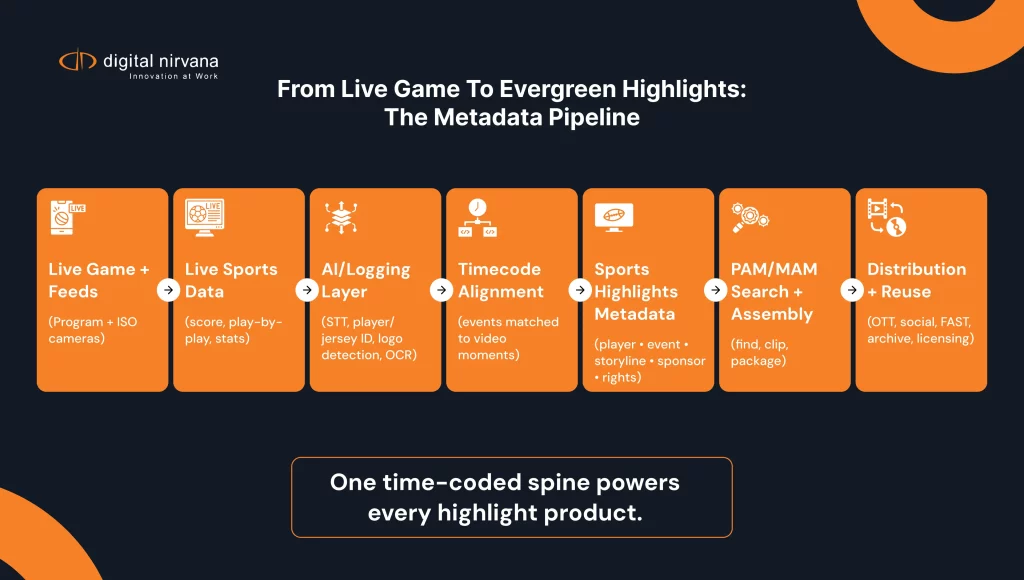
- Live events happen on the field or court
- Data providers and in-house systems record structured events
- AI services and logging tools translate those events into descriptive, time-coded metadata attached to your video and audio
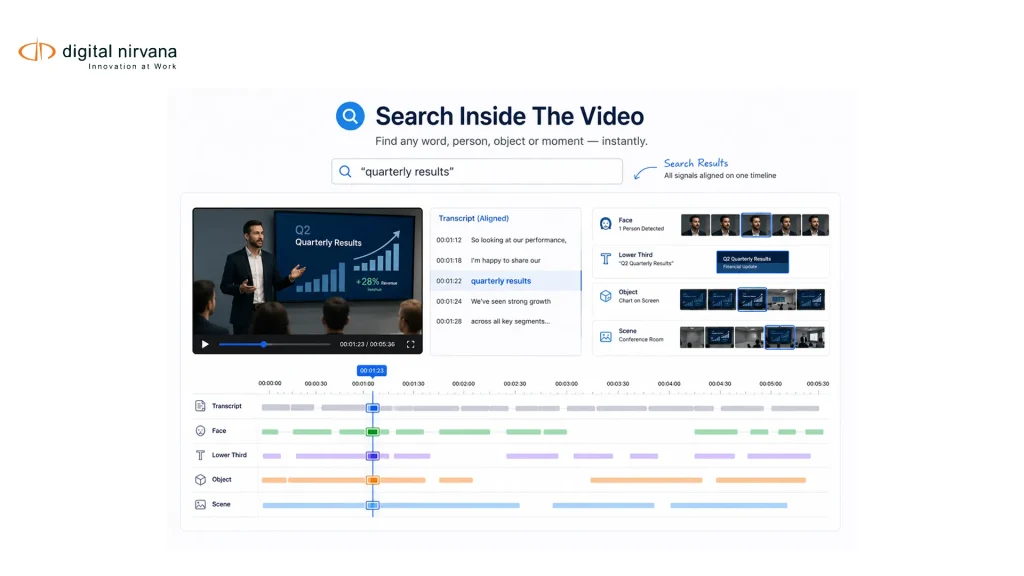
- Editors, producers, and commercial teams use PAM and MAM search to find and reuse those moments in new highlight products
For example, a “goal” event in your data feed can become:
- A time-coded marker that jumps directly to the replay angle in your edit system
- A tag on a clip that identifies the scorer, team, competition, and sponsor exposure
- A filter in your archive that lets you find “all goals by this player in the last three seasons.”
Rich metadata also helps fans discover more of what they like, and helps you assemble highlight playlists, team channels, and player-centric collections far more efficiently. Research on fan experiences as sports move to streaming shows that metadata is now central to both discovery and monetization.
Designing A Sports Highlights Metadata Model
Before you automate anything, it helps to define the metadata you actually need for sports highlights.
At a minimum, most sports operations benefit from standardizing around:
- Competition: league, tournament, season, round
- Game: match ID, date, venue, home and away teams
- Players and officials: names, roles, jersey numbers
- Events: goals, shots, saves, penalties, fouls, turnovers, key set pieces
- Story context: comebacks, rivalries, records broken, milestones
For highlight-specific workflows, it also pays to tag:
- Emotional tone: celebration, heartbreak, tension, controversy
- Commercial context: sponsor logos visible, branded segments, partner references
- Narrative arcs: debut performances, farewell games, streaks, upsets
This enriched metadata makes it simple to answer questions like:
- “Show me all rival derby goals scored in added time.”
- “Find clips where this sponsor’s logo is on screen for more than five seconds.”
- “Pull together every first goal scored by this academy player.”
Defining this model once and applying it across seasons is what turns individual matches into a reusable sports IP library.
From Live Game To Evergreen Highlight: End-To-End Workflow
To see how live sports data becomes an evergreen highlight, consider the steps involved in a single match.
- Ingest live feeds and data
Your live program, ISO cameras, and clean feeds are ingested into a PAM or MAM environment. At the same time, you receive live sports data and scoring feeds. - Generate automatic metadata in real time
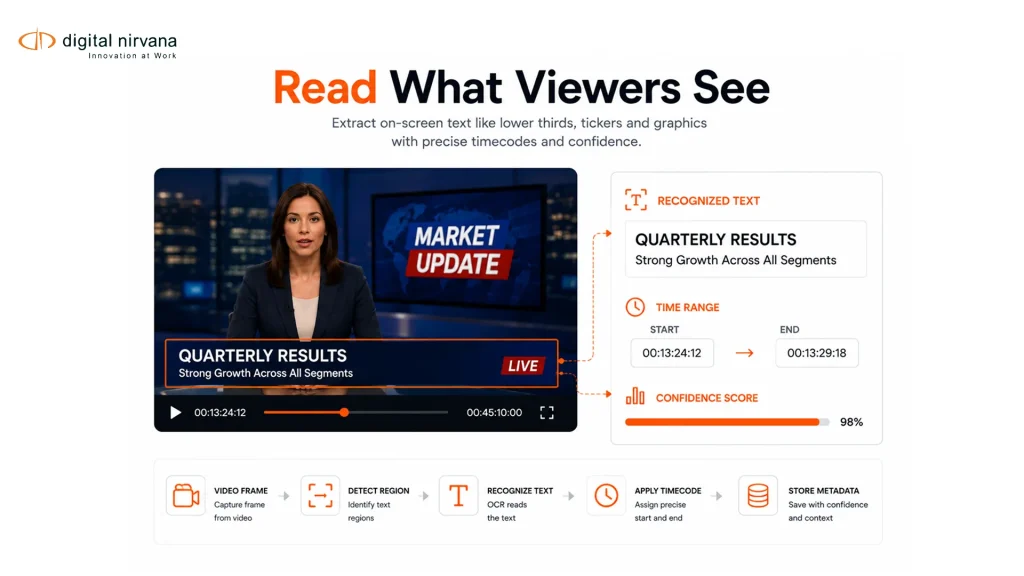
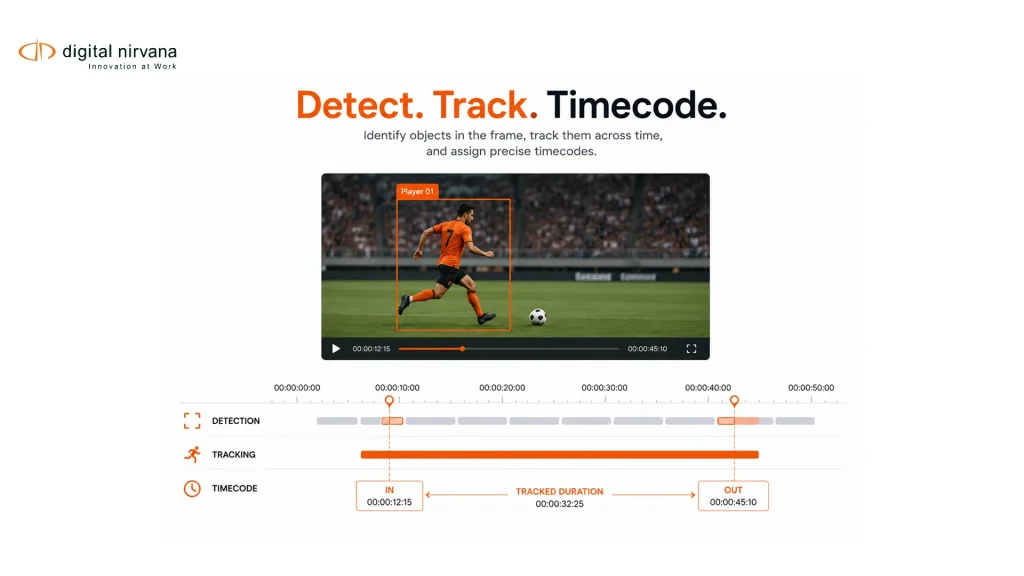
A platform such as MetadataIQ receives live or near-live media, applies speech-to-text, player and logo recognition, and other ML models, and turns these signals into time-coded metadata. - Align live sports data with media metadata
Events from the data feed are matched with timecodes in the video. A “goal” or “three-pointer” becomes a marker that points to the replay, the crowd reaction, and the commentary moment in your PAM or MAM. - Search and assemble highlights
Editors and producers search inside their familiar tools for the events, players, or storylines they need. Instead of scrubbing through full matches, they jump directly to candidates and build highlight packages, social clips, and recap shows. - Publish, archive, and reuse
Completed highlights, shorts, and feature stories are published to linear, OTT, social, and FAST destinations. The same metadata lives on in your archive, ready to power off-season “on this day” pieces, player retrospectives, and sponsor recaps.
The key is that no one has to re-tag footage from scratch. The metadata you generated for the live event remains with the content throughout its lifecycle.
Monetization Opportunities Unlocked By Sports Highlights Metadata
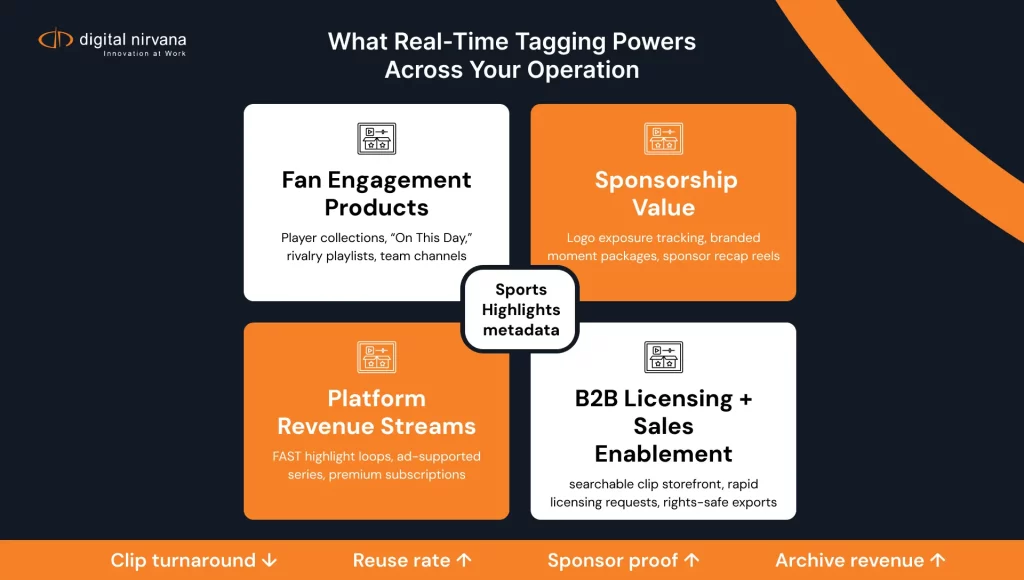
Once your highlights are searchable by event, player, narrative, and sponsor, new monetization options open up quickly. Sports organizations and broadcasters are already using metadata-enriched archives to create:
- Ad-supported highlight series
Curated theme shows, such as “Best finals moments of the decade” or “Greatest rivalry goals,” attract sponsors and advertisers. - Premium and subscription products
Paid access to advanced statistics, player-specific highlight channels, or “follow your team” archives that go deeper than basic clips. - B2B licensing and storefronts
Metadata-rich archives make it easy to launch storefronts where broadcasters, brands, and agencies can search, preview, and license highlight clips by player, team, competition, or topic. - Off-season and evergreen content
With well-tagged historical content, it is simple to quickly build “on this day, “career highlights, or “top 10” formats that keep fans engaged when no live games are on. - Sponsor recaps and brand reporting
When sponsor logos and branded segments are tagged, your sales team can report exactly how long a brand appeared on screen and in which contexts, supporting renewal and upsell conversations.
In each case, the unit of value is not “an entire match file. It is a well-described, rights-cleared highlight that can be stitched into whatever format the audience and commercial model require.
Common Gaps In Sports Metadata And Where Money Is Lost
Many rights holders and broadcasters already have some version of this vision, yet struggle to execute it consistently. Common issues include:
- Inconsistent tagging across seasons
Different vendors, freelancers, or internal teams tag seasons differently, making it hard to run a search across multiple years. - Siloed live sports data and media libraries
Statistics live in one system, metadata in another, and raw footage somewhere else. Without a shared time-coded spine, the pieces never fully come together. - Manual logging that does not scale
Logging teams cannot keep up with the volume of games, cameras, and competitions. Important details are missed, and the archive turns into a digital junk drawer. - Weak connection to rights and licensing data
If your metadata does not reflect rights windows, blackout rules, or usage restrictions, you either miss monetization opportunities or spend time on manual checks.
The result is that a huge amount of potential highlight content never makes it into products, packages, or pitches.
How MetadataIQ Connects Live Sports Data To Evergreen Highlights
MetadataIQ is Digital Nirvana’s SaaS platform for automated metadata generation and indexing across newsrooms, sports content, and episodic production. It plugs into existing Avid PAM/MAM environments and other media systems to make every frame more discoverable.
For sports, MetadataIQ helps teams:
- Automate multi-modal metadata creation
- Speech-to-text converts commentary into time-coded transcripts that can be searched by phrase, player name, or story angle.
- Computer vision identifies players, officials, logos, scoreboards, and lower thirds.
- The system generates descriptive, structural, and compliance metadata in parallel.
- Integrate with live sports data feeds and PAM/MAM
MetadataIQ aligns live events with media timecode, then writes metadata back into tools such as Avid MediaCentral and Media Composer so editors can work inside familiar interfaces. - Standardize taxonomies and quality at scale
The platform supports configurable sports taxonomies and quality dashboards, so organizations can monitor metadata coverage across competitions and seasons. - Support both live and archive use cases
The same engine that describes live games also enriches archive content, which means every new highlight created today makes it easier to build long-term, evergreen products tomorrow.
The outcome is a sports metadata backbone that connects live data, media workflows, and monetization opportunities without forcing a rip-and-replace of existing systems.
Blueprint To Operationalize Sports Highlights Metadata
To move from concept to practice, it helps to launch with a focused blueprint.
- Define business goals and priority use cases
Decide whether your initial focus is sponsor recaps, social highlights, new OTT packages, or archive monetization. Clear goals help you design the right metadata and workflows. - Design a sports highlights metadata schema
Align editorial, technical, and commercial teams on the entities and tags you care about, for example, players, actions, story arcs, sponsors, and rights. Document this schema as the “source of truth” for all tagging. - Integrate live feeds, live sports data, and MetadataIQ
Connect your live feeds and data providers to MetadataIQ and your PAM/MAM systems. Ensure there is a common timecode and identifiers so events, video, and audio stay in sync. - Embed highlight workflows in day-to-day operations
Train editors and producers to search, filter, and assemble highlights using metadata rather than manual scrubbing. Encourage sales and marketing teams to brief requests using metadata terms. - Review, refine, and scale
Use early pilots to assess where tagging works well and where it needs improvement. Adjust models and taxonomies, then expand across more competitions, languages, and platforms.
This phased approach reduces risk, builds internal confidence, and produces quick wins that support broader transformation.
KPIs To Track The Impact Of Live Sports Data And Metadata
To understand the value of your investment in live sports data and metadata, track a mix of workflow and revenue metrics, such as:
- Average time to produce standard post-game highlights, before and after metadata automation
- Turnaround time for social clips and short-form recap content
- Percentage of games where metadata meets your defined completeness and quality standards
- Number of archive-based highlight packages produced per month or per season
- Revenue attributed to metadata-rich products, such as sponsor recaps, archive packages, or premium highlight subscriptions
Organizations that improve metadata quality and coverage typically report better discovery, higher reuse of archives, and more efficient production, all of which contribute directly to monetization.
FAQs
Live sports data captures what happens in the game in a structured form, such as scores, stats, and play-by-play. Sports highlights metadata attaches that context to your actual media, so each event has a time-coded pointer to the right video and audio segments. Both are important, but metadata is what lets content teams find and package moments quickly.
No. MetadataIQ is designed to integrate with existing PAM and MAM systems, including Avid environments, by generating time-coded metadata and writing it back through APIs. Your editors and producers continue to work inside current tools, but with much richer search and indexing.
Yes. When historical content is enriched with player, team, event, and storyline metadata, it becomes much easier to build evergreen highlight packages, anniversary specials, and player retrospectives that can be licensed, sponsored, or sold to fans.
By tagging sponsor logos, branded segments, and key moments, your sales and marketing teams can prove on-screen exposure and build highlight products that align with specific sponsorships. This data also supports more targeted ad placement across OTT and FAST platforms.
Start with a narrow, high-value use case, for example, a single league or team, and define a clean metadata schema for that scope. Use MetadataIQ to apply and standardize tags going forward, then selectively enrich past seasons that are most likely to deliver commercial returns.
Conclusion
Live sports data tells you what happened and when. Metadata turns that information into a map of every moment that matters, linked directly to your media, and ready to be used again and again.
When you combine live sports data with a robust metadata model for sports highlights, your content stops expiring the moment the game ends. It becomes a living library that can support new formats, sponsor products, and fan experiences across seasons.
MetadataIQ gives sports organizations, broadcasters, and streamers a practical way to make that happen. By automating transcripts, visual analysis, and metadata generation, then feeding that intelligence back into existing PAM and MAM systems, it creates a bridge between live production and long-term monetization.
For any rights holder asking how to get more value from the games they already produce, the answer increasingly starts with a simple question: “What does our metadata allow us to do, today and for seasons to come?”
Key Takeaways:
- Live sports data becomes truly valuable for content teams when it is converted into time-coded sports highlights metadata attached to your media.
- A clear metadata model for competitions, players, events, storylines, and sponsors makes it simple to build evergreen highlight products and packages.
- Automated metadata generation reduces dependence on manual logging and ensures more consistent tagging across games and seasons.
- MetadataIQ integrates with your existing PAM and MAM systems to turn live sports workflows into searchable, monetizable highlight engines.
- Starting with focused use cases, clear KPIs, and a phased rollout helps organizations prove the value of sports metadata and scale with confidence