A regional OTT platform greenlights a 40 episode drama for three new language markets. The content team pulls up last year’s dubbing invoice, multiplies it by three, and sends it to finance. Finance sends it back with one line: “This isn’t sustainable.”
That scene is playing out in localization departments across broadcasters, streamers, and studios heading into 2025. Content volume keeps growing. Language requirements keep expanding. Budgets, in most cases, are staying flat or shrinking. The teams that are managing this squeeze well aren’t cutting corners on quality. They’re rethinking how dubbing gets done in the first place, and hybrid AI dubbing is at the center of that shift.
Why Dubbing Budgets Are Under Pressure Right Now
Three forces are converging on localization teams this year. First, streaming platforms are pushing into more regional markets, which means more language pairs per title, not fewer. Second, audiences increasingly expect dubbed content on release day, not months later, which shrinks the runway for traditional studio-based dubbing. Third, procurement and finance teams are scrutinizing per-minute localization costs more closely than they did two years ago, especially as content libraries balloon.
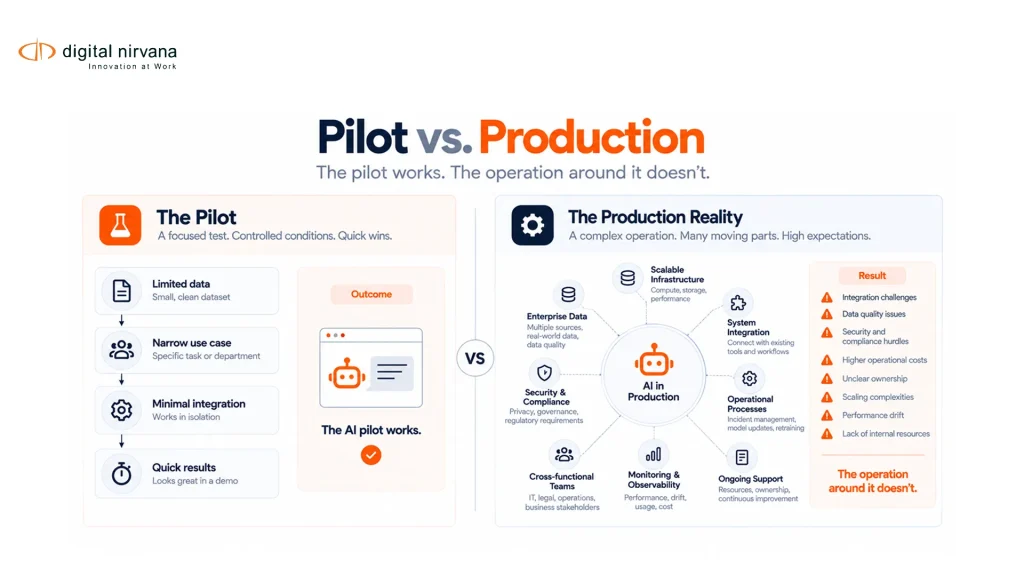
Put those together and you get a familiar problem: more languages, tighter timelines, and less appetite for cost overruns. Traditional fully manual dubbing, with in-studio voice talent, dedicated sound engineers, and sequential review cycles, simply doesn’t scale at the price point most content budgets can absorb in 2025.
The Real Cost Drivers Behind Traditional Dubbing
Before comparing dubbing models, it helps to know where the money actually goes in a conventional dubbing workflow.
- Voice talent and studio time, which scales linearly with runtime and language count
- Script adaptation and translation, often redone per language with limited reuse
- Synchronization and lip-sync passes, which are labor-intensive and iterative
- Sound mixing and quality control, typically a separate pass per episode
- Vendor coordination overhead, especially when different languages go to different studios
Each of these line items grows with volume. A platform localizing into five languages isn’t paying five times the cost of one language, it’s often paying more, because coordination complexity compounds. This is the exact pattern that makes traditional dubbing budgets unpredictable from one content slate to the next.
What Hybrid AI Dubbing Actually Changes
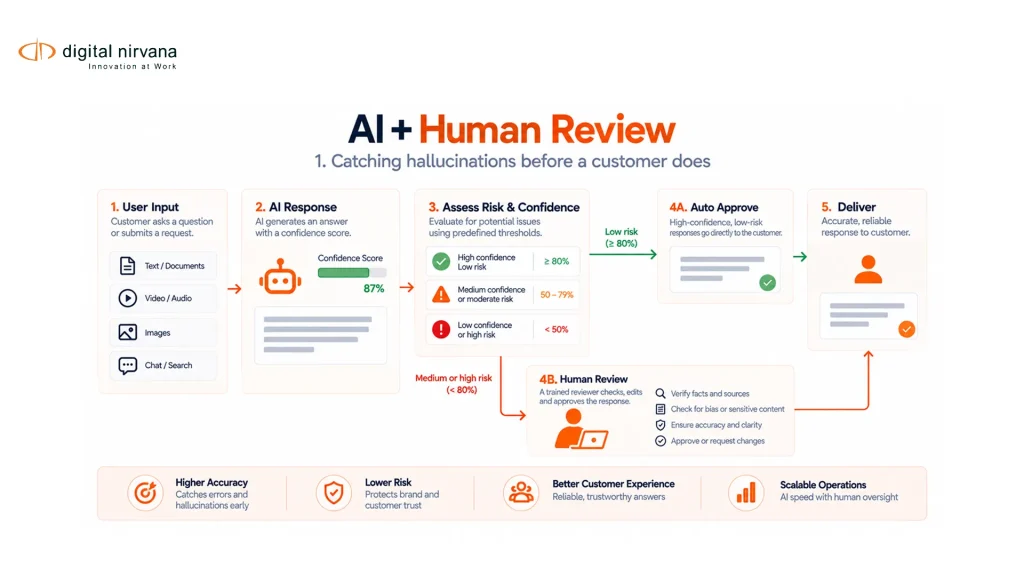
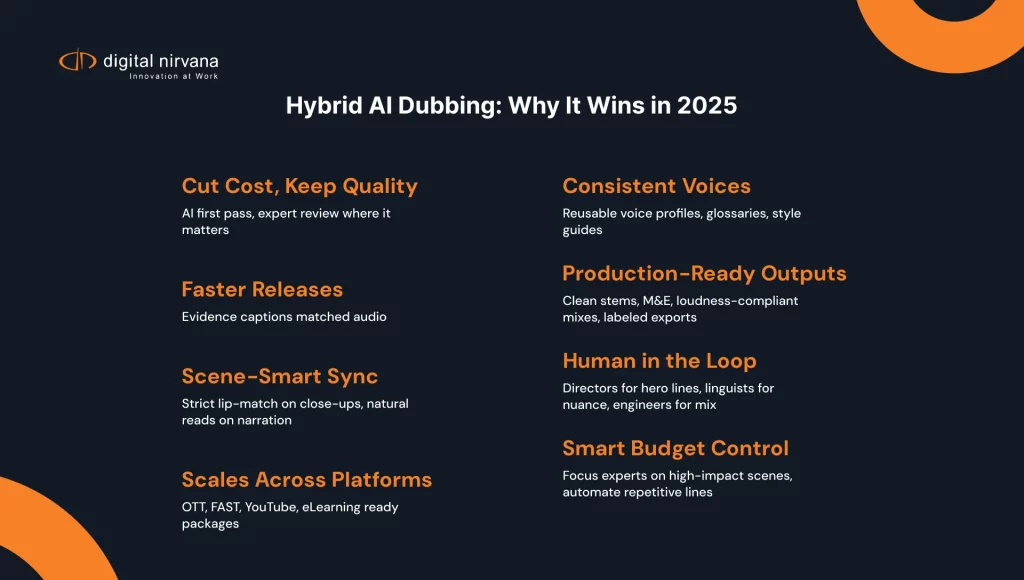
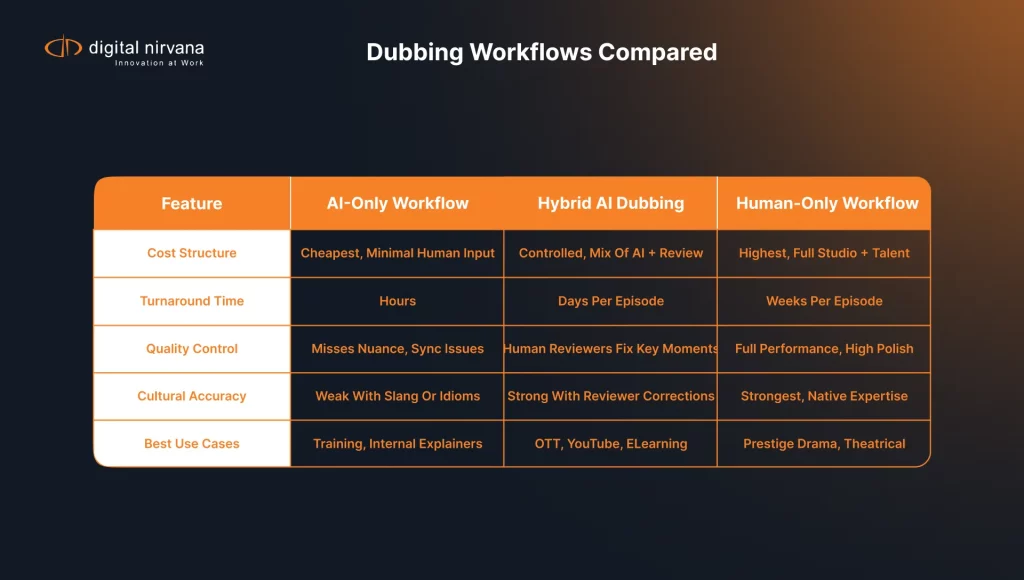
Hybrid AI dubbing doesn’t mean removing humans from the process. It means using AI to handle the repeatable, high-volume parts of the workflow (initial voice generation, first-pass timing, draft script adaptation) while human linguists, voice directors, and QC reviewers focus on judgment calls: tone, cultural nuance, emotional accuracy, and final sign-off.
This division of labor changes the cost structure in a meaningful way. Instead of paying full studio rates for every minute of every language, teams pay for AI-assisted processing at scale and reserve human review time for the moments that genuinely need it, like emotionally complex scenes, brand-sensitive dialogue, or regulatory disclosures.
The result isn’t just cheaper dubbing. It’s dubbing that can actually keep pace with release calendars, because the AI-assisted first pass compresses timelines that used to take weeks into days.
Building a Realistic 2025 Dubbing Budget
Here’s a simplified framework for how localization leads are structuring budgets this year when comparing traditional and hybrid AI dubbing models.
| Cost Category | Traditional Dubbing | Hybrid AI Dubbing |
|---|---|---|
| Voice generation | Studio talent, per language | AI-assisted, human-reviewed |
| Turnaround time | Weeks per language | Days per language |
| Script adaptation | Manual, per language | AI draft, human refinement |
| QC and review | Full manual pass | Targeted human review on flagged segments |
| Scalability across languages | Costs scale linearly or worse | Costs scale more predictably |
| Best fit | Prestige titles, award consideration | High-volume catalogs, fast-turn releases |
This isn’t an argument that hybrid AI dubbing replaces studio-quality work everywhere. Flagship titles competing for awards or built around a specific vocal performance may still justify a fully manual approach. But for the bulk of a content library, especially catalog titles, news content, and fast-turn series, hybrid workflows deliver comparable audience experience at a fraction of the cost and time.
Where Teams Get the Budget Math Wrong
A few patterns show up repeatedly when localization budgets miss their mark.
Treating AI dubbing as fully automated. Skipping human review to save money almost always backfires, either through quality complaints or costly rework. Budget for review time even when using AI assisted tools.
Underestimating integration costs. If your dubbing workflow doesn’t connect cleanly to your existing media asset management or transcription pipeline, you’ll pay for that friction in staff hours, even if the per-minute dubbing rate looks attractive on paper.
Ignoring caption and subtitle dependencies. Dubbing rarely happens in isolation. Most markets still require synchronized captions or subtitles alongside dubbed audio, and budgeting these separately, instead of as one connected localization workflow, inflates both cost and timeline.
Not accounting for conformance requirements. Different streaming platforms have different technical delivery specs for dubbed audio and accompanying captions. Rework caused by conformance failures is one of the most avoidable and most common budget overruns in localization.
What to Prioritize When Evaluating a Hybrid Dubbing Partner
If you’re evaluating vendors or platforms for hybrid AI dubbing this year, a few capabilities matter more than others.
- Human review built into the workflow, not bolted on. Ask exactly where and how often human linguists touch the output.
- Support for multiple output formats and platform specs, so conformance isn’t a downstream fire drill.
- Integration with existing transcription and captioning pipelines, since dubbing and captioning share source material.
- Transparent, per-minute or per-project pricing that scales predictably as language count grows.
- Track record with your content type, since news, sports, and scripted drama have very different dubbing demands.
Frequently Asked Questions
Is hybrid AI dubbing suitable for live or near-live content? Yes, for many use cases. AI-assisted voice generation combined with rapid human review can support faster turnaround than fully manual dubbing, though truly live dubbing still requires careful workflow design.
Does hybrid AI dubbing reduce quality compared to fully manual dubbing? Not when human review is properly integrated. The goal is to redirect human expertise toward judgment-heavy moments rather than removing it from the process entirely.
How should teams budget for dubbing across many languages at once? Model costs per language pair rather than assuming linear scaling, and build in review capacity as a fixed cost rather than a variable one, since quality review needs don’t shrink just because volume grows.
What’s the biggest hidden cost in dubbing budgets? Rework caused by conformance failures or inconsistent metadata between the source transcript, captions, and dubbed audio tracks.
How Digital Nirvana Fits Into This Shift
This is exactly the operational gap that Digital Nirvana’s localization and media enrichment capabilities are built to close. Instead of treating dubbing, captioning, and transcription as separate vendor relationships with separate budgets, TranceIQ handles transcription, captioning, and subtitle generation from a single source of truth, which means dubbed audio, captions, and subtitles stay synchronized instead of drifting apart across languages.
For teams that need the human-in-the-loop layer that hybrid dubbing depends on, Media Enrichment provides managed transcription, translation, and localization review, so AI-assisted output gets the same quality bar as a fully manual workflow, without the fully manual price tag. And because localization doesn’t happen in isolation from the rest of a content operation, MetadataIQ keeps every dubbed and captioned asset searchable and properly tagged for reuse, which matters when the same title needs to be repurposed across markets later.
Teams running AI-assisted workflows at scale also benefit from the kind of output review that Managed AI provides, catching drift or quality slippage before it reaches a finished asset. You can see how these pieces come together in practice in Digital Nirvana’s success stories.
Why This Matters Beyond 2025
The budget pressure driving hybrid AI dubbing adoption this year isn’t a temporary blip. Content volumes will keep rising, audience expectations for same-day multilingual releases will keep tightening, and finance teams will keep asking for predictable, scalable localization costs rather than costs that spike with every new market. Media organizations that build hybrid workflows now, with clear rules for where AI handles volume and where humans handle judgment, will be better positioned for whatever language expansion comes next, whether that’s a new streaming market, a compliance requirement, or a catalog acquisition that suddenly needs a dozen dubbed versions.
Conclusion
Dubbing budgets in 2025 don’t have to be a choice between quality and affordability. Hybrid AI dubbing gives media teams a third option: AI handles the repeatable heavy lifting, human experts focus their time where it actually changes the outcome, and the whole workflow becomes predictable enough to actually plan around. The teams getting this right aren’t the ones spending the most, they’re the ones spending smart, on the review moments and integration points that protect quality at scale.
Key Takeaways
- Traditional dubbing costs scale poorly as language count grows, driven by studio time, coordination overhead, and repeated manual passes.
- Hybrid AI dubbing reduces cost and turnaround by reserving human review for judgment-heavy moments instead of the entire process.
- Budget overruns most often come from skipped review, poor pipeline integration, and conformance rework, not from the dubbing technology itself.
- Evaluate hybrid dubbing partners on where human review sits in the workflow, format flexibility, and integration with existing transcription and captioning systems.
- Treating dubbing, captioning, and transcription as one connected workflow, rather than separate line items, is one of the most effective ways to control 2025 localization budgets.