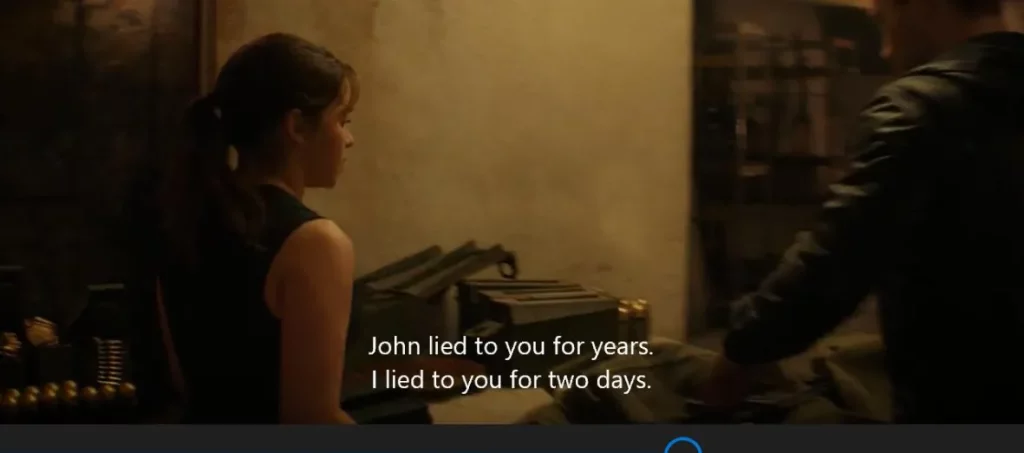
Captioning

SDH vs CC Decoded: Which Captioning Standard Does Your Content Need?

SDH (Subtitles for the Deaf and Hard of Hearing) vs CC (Closed Captions) plays a crucial role in media accessibility. Content creators must choose between these captioning formats to enhance user experience. This guide explores the differences, advantages, and best use cases for each. Spotlight on Accessibility at NAB Show 2025! The future of media […]

SDH vs CC Decoded: Which Captioning Standard Does Your Content Need? Read More »

Accurate Captioning: Enhancing Accessibility and Viewer Engagement

Accurate captioning stands at the center of every major conversation about video and audio content, and for good reason. Captions enhance reach by ensuring everyone can follow what is being said, whether they face hearing challenges, sit in a quiet area, or simply prefer reading along. This article dives into the importance of captions, legal

Accurate Captioning: Enhancing Accessibility and Viewer Engagement Read More »

Leading AI in Lecture Captioning & Transcription

Artificial intelligence in lecture captioning and transcription services brings a new layer of convenience to learning. This technology makes academic content clearer, more accessible and more engaging. It relies on advanced algorithms that transform spoken words into text, and it can add subtitles to lectures in real time. Educators use it to help students follow

Leading AI in Lecture Captioning & Transcription Read More »

Subtitles vs. Closed Captioning: What’s the Difference?

Video content is everywhere—from blockbuster films to bite-sized social media clips. However, not everyone experiences videos in the same way. Whether watching a foreign film, learning a new language, or catching a video in a noisy room, subtitles and closed captions are crucial in keeping content accessible and engaging. While the two terms are often

Subtitles vs. Closed Captioning: What’s the Difference? Read More »

Captions vs Transcripts: What’s the Difference?

Captions and transcripts are often tossed around as interchangeable tools, but they serve unique purposes that cater to different needs. Whether you’re watching a video in a silent environment, creating accessible content, or repurposing audio into readable formats, understanding the distinction between these two can make a world of difference. To truly appreciate their value,

Captions vs Transcripts: What’s the Difference? Read More »

Seamless Integration of Transcription and Captioning in Media Workflows

Transcription and captioning have become crucial in today’s digital broadcasting landscape for different reasons. Captioning primarily fulfills legal requirements to ensure content is accessible to individuals with hearing impairments. At the same time, transcription serves broader business goals, such as improving content searchability and unlocking new monetization opportunities. As the demand for media content grows,

Seamless Integration of Transcription and Captioning in Media Workflows Read More »

Understanding Open Captioning: A Comprehensive Guide for Broadcasters

In today’s media landscape, accessibility is becoming increasingly crucial. Open captioning, where text is permanently embedded in a video, is vital in making content accessible to a broader audience. Unlike closed captions, which viewers can toggle on or off, open captions are always visible. This aspect ensures that essential information is conveyed to everyone, including

Understanding Open Captioning: A Comprehensive Guide for Broadcasters Read More »

Optimized Viewer Experience with Automated Transcription and Captioning

In the fast-paced world of broadcasting, efficiency isn’t just an advantage—it’s a necessity. The demand for real-time information delivery, coupled with the need for accessibility and compliance, puts immense pressure on broadcasters to streamline their workflows. One of the critical components in broadcasting is the effective use of transcription and captioning. These elements are not

Optimized Viewer Experience with Automated Transcription and Captioning Read More »

Why are captions so popular in the non-deaf or hard-of-hearing population?

Did you know, according to a study by Verizon Media, 80% of people who use captions are not deaf or hard of hearing? Another similar study conducted by Ofcom (the Office of Communications), the United Kingdom’s regulatory body for broadcasting, found that 7.5 million people in the UK (18% of the population) use closed captions

Why are captions so popular in the non-deaf or hard-of-hearing population? Read More »

Products

MetadataIQ

The intelligence layer for your Avid, Grass Valley, or custom MAM systems

MonitorIQ

Next-Gen Broadcast compliance monitoring

MediaServicesIQ

Collection of AI microservices that watches your video and tells you what’s inside

TranceIQ

Smart transcription, captioning, and localization

Media Enrichment

Expand your media’s reach with seamless localization

Cloud Engineering

Scalable, secure, and optimized cloud

Data Intelligence

Actionable insights from complex data

Investment Research

Timely intelligence for informed investing

Learning Management

Smart automation for digital learning

Managed AI

Operate, govern, and scale AI systems in production

Managed Talent

Managed Talent Solutions 'Skilled teams for workflow support

Got a question for us?

Ask away. We’ll find the best person on our team to answer it for you.

Thank you for your details.

We’ll connect your question to the best person - no spam, ever.

Required skill set:

Required skill set:

Required skill set:

Required skill set: