A streaming platform greenlights a same-week international rollout for its biggest original series of the year. Marketing has already locked the launch date across six territories. The catch: full dubbing in five languages was budgeted for eight weeks under the traditional studio process, and the platform has eleven days.
This is the exact pressure point reshaping how broadcasters and OTT platforms approach localization. Traditional dubbing, with its studio bookings, voice casting cycles, and sequential language-by-language production, was never built for release calendars this tight. AI dubbing workflows exist because the old timeline and the new business reality stopped matching up.
This blog breaks down how AI dubbing actually works, where it fits alongside traditional studio dubbing rather than replacing it outright, and what a realistic, fast-turnaround dubbing workflow looks like for broadcasters and OTT platforms competing on global release speed.
Why Traditional Dubbing Can’t Keep Up With OTT Release Cycles
Traditional dubbing is a sequential, resource-intensive process. It requires script translation and adaptation, voice casting per language and per character, studio booking and recording sessions, audio mixing and synchronization, and a full QC pass, often repeated separately for each target language.
That process produces excellent results, but it takes weeks per language, and studio capacity is finite. When a platform needs five or six languages ready simultaneously for a global day-one release, sequential studio dubbing simply cannot compress into the timeline the business needs.
Meanwhile, competitive pressure keeps increasing. Global day-one releases have become standard practice for major OTT platforms, audiences increasingly expect dubbed audio rather than subtitles alone in many international markets, and content libraries keep growing faster than dubbing capacity can scale using studio-only methods.
What AI Dubbing Actually Means
AI dubbing uses machine learning models, typically combining automated translation, text-to-speech synthesis, and voice cloning or matching, to generate dubbed audio tracks with far less manual studio time than traditional recording.
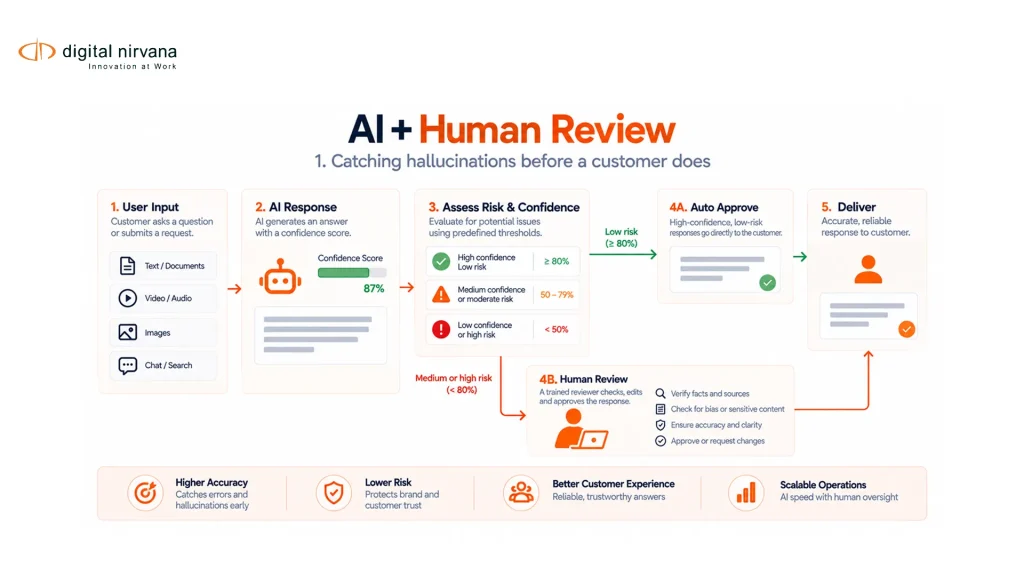
It’s important to be precise here, since “AI dubbing” gets used loosely across the industry. A fully automated pipeline handles translation and synthetic voice generation end to end, useful for high-volume, lower-budget content where speed matters more than nuanced performance. A human-in-the-loop pipeline uses AI to accelerate translation, generate a first-pass synthetic track, and support voice matching, while human linguists, directors, and sometimes voice actors still review and refine the output before it ships. Most broadcasters and premium OTT platforms land somewhere in this second category, using AI to compress the timeline without removing human judgment from the final product entirely.
Market Context: Why This Shift Is Happening Now
A few forces are converging to make AI-assisted dubbing a mainstream part of the localization stack rather than an experimental side project.
Text-to-speech quality has improved dramatically, with modern synthetic voices closing much of the gap with human performance for many content types, particularly non-scripted and mid-tier scripted content. Voice cloning and matching technology now supports maintaining a consistent character voice across episodes and even across languages, which was a major limitation of earlier synthetic dubbing attempts. And OTT platforms increasingly treat simultaneous global release as a competitive differentiator, which puts direct pressure on localization timelines that traditional studio dubbing structurally cannot meet.
Regulatory and accessibility expectations add another layer. Markets with strong local-language content requirements, along with viewer expectations for native-language audio rather than subtitle-only delivery, mean dubbing coverage increasingly affects how much of a platform’s catalog is actually watchable for a given audience.
How a Modern AI Dubbing Workflow Actually Works
A well-built AI dubbing pipeline moves through several coordinated stages, each of which can run faster and often in parallel across languages compared to the traditional sequential model.
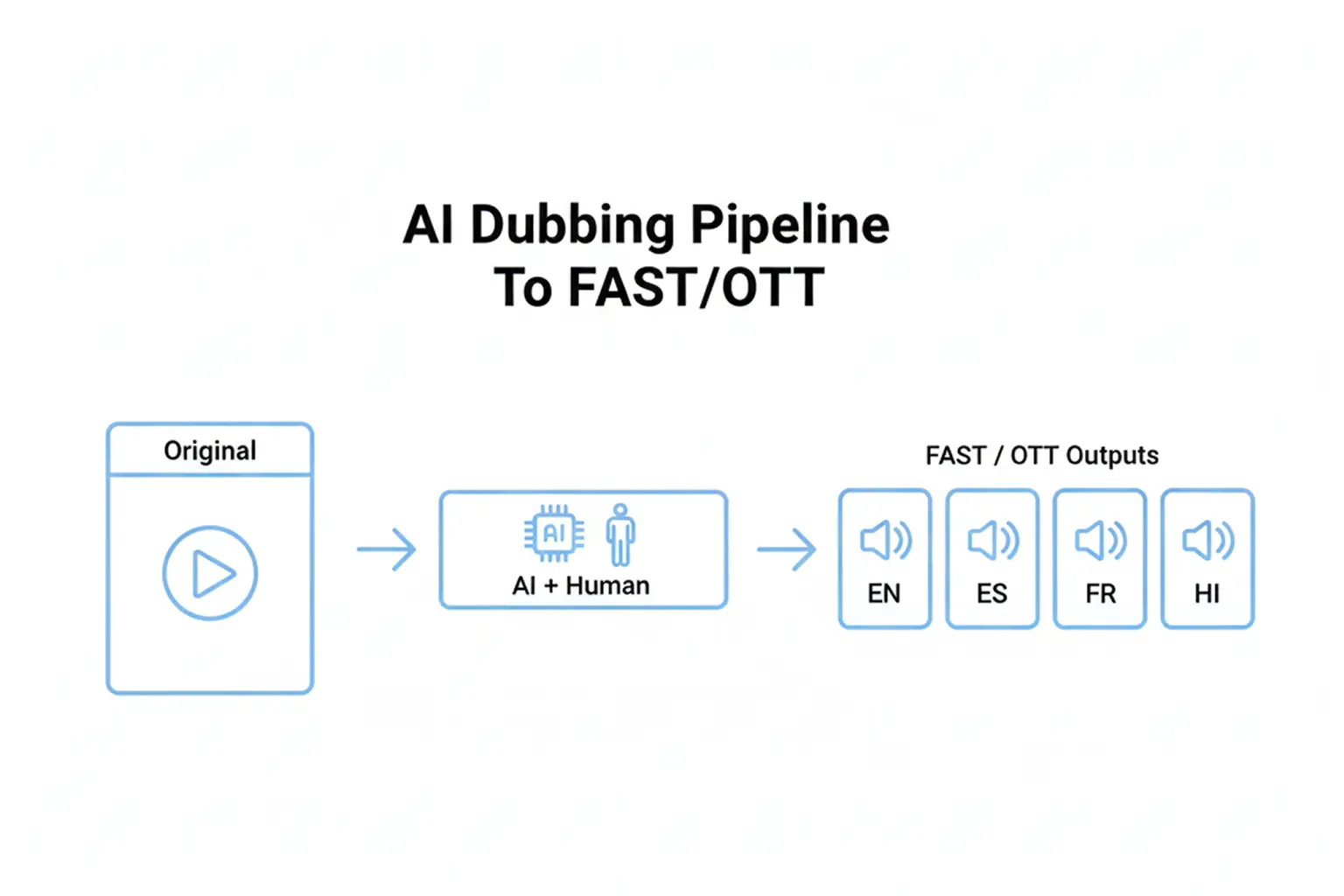
The workflow starts with an accurate source transcript, since every downstream step depends on it. Automated translation, refined by human linguists for cultural nuance and lip-sync timing constraints, produces the target-language script. Text-to-speech synthesis or voice cloning generates the dubbed audio track, often matched to the original speaker’s vocal characteristics for consistency. Timing and lip-sync alignment adjusts pacing so the dubbed audio matches on-screen mouth movement as closely as possible. A human QA pass reviews the output for accuracy, tone, and naturalness before final mixing and delivery.
Because translation, synthesis, and QA can run in parallel across multiple target languages instead of sequentially through separate studio bookings, the total timeline compresses significantly, which is exactly the capability platforms need when a global release date is fixed and non-negotiable.
Solutions built around this layered approach, such as Media Enrichment, combine managed dubbing and translation services with the speed of AI-assisted production, giving broadcasters and OTT platforms a path to multilingual delivery without sacrificing the human review layer that keeps quality high. The underlying transcription and translation foundation this depends on typically runs through TranceIQ, which handles the cloud transcription, captioning, and localization workflow that feeds directly into dubbing production.
Dubbing vs. Subtitling: When Each Makes Sense
Dubbing and subtitling aren’t interchangeable, and a fast-turnaround localization strategy usually needs both, applied deliberately rather than defaulting to one across an entire catalog.
| Factor | Subtitling | AI-Assisted Dubbing |
|---|---|---|
| Turnaround speed | Fastest | Fast, but slower than subtitles |
| Production cost | Lowest | Moderate to high, depending on AI vs. studio mix |
| Viewer preference by market | Strong in markets with subtitle-reading habits | Strong in markets that expect native-language audio |
| Best fit | Niche or lower-priority markets, fast-turnaround news and sports | Flagship titles, key growth markets, day-one global releases |
| Accessibility value | High for hearing-impaired audiences | Limited on its own; often paired with captions |
Many platforms use a tiered approach: subtitles across the full catalog for baseline accessibility and reach, with AI-accelerated dubbing reserved for flagship titles and priority growth markets where native-language audio measurably improves engagement and retention.
A Real-World Workflow: Dubbing a Series for Simultaneous Global Release
Picture an OTT platform preparing a scripted series for same-day release across five markets. Under the traditional model, each language would move through studio booking and recording sequentially, stretching the total localization timeline well past the launch date.
Under an AI-assisted workflow, the source transcript and translated scripts for all five languages get finalized in parallel rather than one at a time. Synthetic voice generation, matched to each character’s original vocal profile, produces a first-pass dubbed track for every language simultaneously. Human linguists and QA reviewers then refine tone, timing, and naturalness for each track, catching anything a machine pass would miss, particularly idiomatic phrasing and comedic timing. Final mixing and delivery happen once each track clears review, with all five languages reaching completion close together instead of staggered across weeks.
The result is a release that hits the same global launch date across markets instead of trickling out language by language, which is often the actual business requirement driving the decision to adopt AI-assisted dubbing in the first place.
Measurable Impact of AI-Assisted Dubbing
Broadcasters and OTT platforms shifting to AI-accelerated dubbing workflows typically see meaningfully shorter turnaround per language, since translation and synthesis stages compress from weeks to days for many content types. Multiple languages moving through the pipeline in parallel rather than sequentially through separate studio schedules also expands how many markets a platform can realistically hit on a single release date. And for lower-priority or long-tail catalog content that would otherwise never justify a full studio dubbing budget, AI-assisted dubbing makes localization economically viable where it previously wasn’t.
Implementation Considerations Before Adopting AI Dubbing
Before building AI dubbing into a release pipeline, it’s worth being clear-eyed about a few operational factors. Content type matters: unscripted and mid-tier scripted content tends to tolerate synthetic voice quality better than premium drama, where subtle performance nuance is harder for AI to replicate convincingly. Human review capacity still needs to be planned for, since even fast AI-assisted pipelines benefit from linguist and QA review before anything ships under a broadcaster’s or platform’s name. Voice rights and casting agreements also need attention, particularly around voice cloning permissions for actors whose vocal likeness is being used to generate synthetic dialogue. And it helps to pilot the workflow on a defined content category before rolling it out across an entire catalog, so quality benchmarks are established before scale pressure sets in.
Common Objections, Addressed Honestly
“AI dubbing sounds robotic.” Early text-to-speech dubbing earned that reputation, but modern voice synthesis and cloning technology has closed much of that gap, particularly when paired with human review for tone and naturalness. Quality varies significantly by vendor and content type, which is why piloting before full rollout matters.
“We need full creative control over voice casting.” A human-in-the-loop workflow preserves that control. AI accelerates the translation and first-pass synthesis stages while linguists and directors still guide tone, casting decisions for hybrid approaches, and final approval.
“This feels risky for our flagship content.” Most platforms that adopt AI-assisted dubbing start with lower-risk, high-volume catalog content, reserving traditional studio dubbing or a heavier human review layer for flagship titles until confidence in the workflow is established.
How This Connects to Digital Nirvana’s Approach
AI dubbing doesn’t work in isolation from the rest of the localization pipeline, and that’s where a connected workflow makes the biggest difference. Media Enrichment provides managed dubbing, translation, and localization services built around exactly this speed-without-sacrificing-quality model, while TranceIQ supplies the accurate source transcription and caption conformance that every dubbing project depends on as its foundation. For broadcasters that also need compliance visibility across dubbed and original-language versions of the same content, MonitorIQ adds monitoring for loudness and quality of experience across each localized version.
Platforms managing large multilingual catalogs also benefit from pairing dubbing workflows with MetadataIQ, since indexed, searchable source content makes it far easier to identify which titles are highest priority for dubbing investment based on audience demand and archive performance. Reviewing Digital Nirvana’s success stories shows how broadcasters and OTT platforms have applied this same connected approach to hit aggressive global release timelines without cutting corners on quality.
Why This Matters Beyond a Single Release
Fast AI dubbing isn’t just about hitting one launch date. It changes what’s economically possible for a platform’s long-tail catalog, opening up localization for titles that would never have justified a traditional studio dubbing budget on their own. Over time, that shifts a platform’s entire international strategy from prioritizing a handful of flagship titles for full localization to building genuinely global catalogs where far more content is watchable in a viewer’s native language. Platforms that build this capability into their standard release pipeline, rather than treating it as a one-off solution for a single tight deadline, end up with a durable competitive advantage in markets where localization speed and coverage directly drive subscriber growth.
Conclusion
AI dubbing workflows exist because traditional studio dubbing was built for a release cadence that no longer matches how OTT platforms and broadcasters compete for global audiences. The winning approach isn’t full automation without human oversight, and it isn’t clinging to fully manual studio production either. It’s a layered workflow where AI compresses translation and synthesis timelines while human review protects the quality and nuance that keeps flagship content sounding right. Platforms that build this into their standard localization pipeline gain the ability to hit simultaneous global release dates that were simply out of reach under the traditional model.
Key Takeaways
- Traditional sequential studio dubbing cannot realistically support simultaneous global OTT releases across multiple languages.
- AI dubbing combines automated translation, text-to-speech or voice cloning, and human review to compress localization timelines significantly.
- A tiered strategy, subtitles across the full catalog with AI-assisted dubbing reserved for priority markets and flagship titles, is the most practical approach for most platforms.
- Human-in-the-loop review remains essential for tone, naturalness, and voice rights, even in fast AI-assisted pipelines.
- Piloting AI dubbing on lower-risk content before scaling to flagship titles helps establish quality benchmarks safely.
- Fast, economical dubbing opens up localization for long-tail catalog content that traditional studio budgets could never justify.
FAQ
Is AI dubbing the same as automated subtitling? No. Subtitling converts dialogue into on-screen text, while dubbing replaces the original audio track with a new spoken-language version. AI can accelerate both, but they solve different accessibility and localization needs.
How much faster is AI-assisted dubbing compared to traditional studio dubbing? Timelines vary by content type and workflow, but many broadcasters and OTT platforms see per-language turnaround compress from several weeks under sequential studio production to a matter of days with AI-assisted translation and synthesis, particularly when multiple languages run in parallel.
Does AI dubbing eliminate the need for human voice actors and linguists? Not for most premium or flagship content. Most broadcasters and OTT platforms use a human-in-the-loop model where AI accelerates translation and first-pass audio generation, while linguists, directors, and QA reviewers still refine tone, timing, and naturalness before delivery.
Which content types are the best fit for AI-assisted dubbing today? Unscripted content, long-tail catalog titles, and mid-tier scripted content generally tolerate current AI dubbing quality well. Premium flagship drama often still benefits from a heavier human review layer or traditional studio involvement to preserve subtle performance nuance.